Spring SVG Design: A Pro's Take on Real Embroidery Use
As a designer who spends more time hooping fabric than I do sleeping, I approach every new digital embroidery file with a mix of excitement and skepticism. We've all been there: you download a beautiful graphic, only to find out it turns into a bird's nest of thread once the machine starts humming. That is why I took a close look at the Spring SVG Design before committing it to any client project or personal handmade product. This isn't just about whether the image looks cute on a screen; it is about how those vectors translate into satin stitches, fill areas, and running lines on actual fabric.
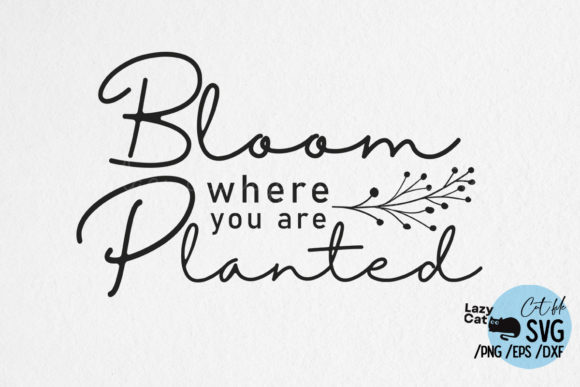
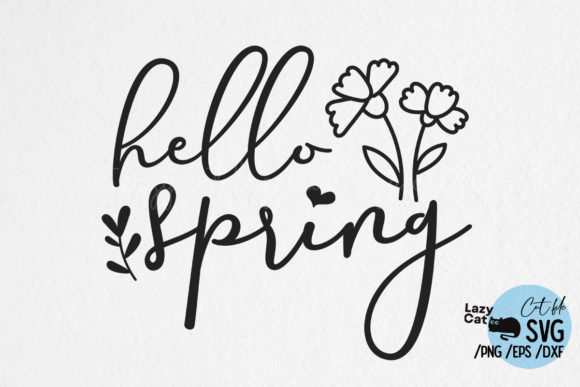
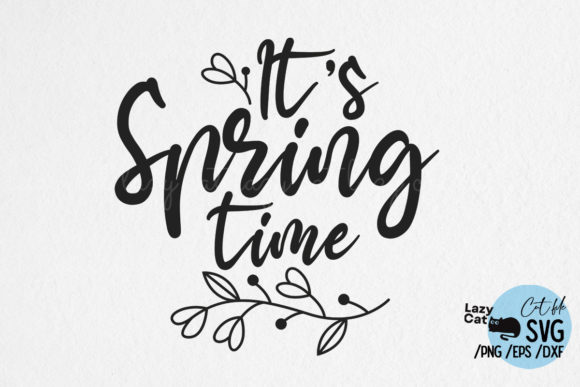
My first impression of the Spring SVG Design was its clean, optimistic mood. The shapes feel organic yet structured, which is a rare balance in seasonal graphics. Often, spring-themed assets lean too heavily into cluttered floral details that simply cannot hold up under the tension of an embroidery needle. However, this design seems to possess a visual personality that respects the limitations of thread while maximizing aesthetic appeal. For an Etsy seller or a boutique owner, this kind of restraint is gold. It suggests a finished product that looks professional rather than amateurish.
From Vector to Stitch: A Real-World Test Scenario
To truly evaluate this asset, I imagined a specific real-life scenario: preparing a custom order for a local boutique needing a limited run of embroidered tote bags for their spring collection. The client wanted something fresh but durable, capable of surviving grocery runs and coffee spills. I visualized placing the Spring SVG Design on a heavy-weight canvas tote. Because the design comes in SVG, EPS, and DXF formats, it is technically ready for cutting machines like Cricut or Silhouette for heat transfer vinyl applications, but my focus here is strictly on its potential as a machine embroidery design.
If I were digitizing this myself or having it converted, the layout suggests it would work beautifully as an applique design or a combination of fill and satin stitch. The broader shapes would allow for dense fill stitches that provide great coverage on textured fabrics, while the outlines could be defined with a crisp satin stitch border. On a neutral-colored tote bag, using vibrant thread colors against the natural canvas would create a striking contrast. The simplicity of the graphic ensures that even from a distance, the motif is recognizable, which is crucial for brand consistency and customer trust.
Beyond tote bags, I can see this working exceptionally well on sweatshirt embroidery. French terry and fleece have a lot of loft, and designs with tiny, intricate details often get lost or cause puckering. The Spring SVG Design appears to have enough negative space and bold definition to sit comfortably on a chest or sleeve without distorting the fabric. For a small shop product, this versatility means you can offer the same design across different price points—from a simple tea towel to a premium hoodie—without needing to completely re-engineer the artwork.
Navigating Fabric Challenges and Hoop Limitations
However, no design is perfect for every situation, and a responsible reviewer must point out where caution is needed. If you are planning to use this on a curved surface like a cap, you need to be mindful of the hoop size and the design's width. Caps have a limited stitching area, and if the Spring SVG Design is too wide, it might wrap awkwardly around the curve, causing registration issues. In such cases, scaling down the design is necessary, but one must ensure that small details do not become so tiny that the needle punches through them repeatedly, weakening the structure.
Textured fabrics present another variable. While the design looks sharp on smooth cotton, putting it on a waffle weave or a rough linen requires careful consideration of stitch density. If the digitized version (which you would create from these vector files) has too many stitches per square inch, it could make the fabric stiff and uncomfortable, especially for baby embroidery projects where softness is paramount. Conversely, if the density is too low, the backing fabric might peek through, ruining the visual appeal. I always recommend testing the design on scrap fabric of the exact same type you intend to sell.
Dark fabrics also require a strategic approach. Since the source files include a high-resolution PNG with a transparent background, you can easily mock up how the design looks in reverse or with different thread palettes. On black or navy garments, you might need to add an underlay stitch or a white base layer to make the spring colors pop. Without this step, the rich tones of the design might look muddy. This is a critical detail for maintaining the perceived value of your custom apparel.
Commercial Viability and Brand Perception
For creative entrepreneurs and digital product sellers, the question of licensing is always top of mind. While the product description highlights suitability for cutting machines and various creative uses, it is vital to confirm the specific license terms regarding commercial embroidery sales before listing finished items on marketplaces. Assuming the license permits commercial use of the physical stitched item, this design has strong potential for holiday embroidery gifts, wedding favors, or nursery decor. Its timeless theme avoids looking dated after a single season, offering a better return on investment for your inventory.
The visual clarity of the Spring SVG Design directly impacts buyer engagement. In an online store, customers buy with their eyes. A design that translates into clean, distinct stitches photographs better for printable mockups and social media previews. Sloppy, overly dense, or indistinct embroidery can deter potential buyers, making your craft business look unprofessional. By choosing a design with strong structural integrity, you signal quality and attention to detail.
Final Designer Notes for Execution
Before you commit to a full production run, here are my practical recommendations for working with this asset:
- Test on Scraps First: Never skip the test stitch-out. Use the same fabric and stabilizer you plan to use for the final product to check for puckering or pull.
- Check Thread Contrast: Experiment with different thread color combinations. Sometimes a monochromatic look works better than a rainbow palette, depending on the fabric texture.
- Review Stitch Density: If you are digitizing this from the SVG/EPS/DXF files, ensure your software settings match the fabric weight. Heavy denim needs different settings than silk.
- Inspect Small Details: Zoom in on the vector file. Are there any stray nodes or tiny gaps that might confuse your digitizing software? Clean up the paths before converting to an embroidery file.
- Mockup in Black and White: Convert your preview to grayscale to check the value contrast. If the design disappears in black and white, it lacks the definition needed for clear stitching.
- Confirm Licensing: Double-check the terms for selling finished goods versus digital files. The description mentions "multitude of creati[ve uses]," but specific commercial rights should be verified.
In conclusion, the Spring SVG Design offers a solid foundation for a variety of embroidery projects. Its strength lies in its adaptable layout and cheerful aesthetic, which fits seamlessly into the current market demand for personalized, handmade goods. Whether you are creating a one-off personalized gift or building a catalog for a small business merchandise line, this graphic holds promise. Just remember that the file is only half the battle; the magic happens in how you translate those vectors into thread, respecting the nuances of fabric and machine to create a truly exceptional finished product.