Reviewing the Easter Egg Happy Easter SVG for Cricut
As a designer who spends half my life staring at digitized paths and the other half pulling bobbins through tension discs, I approach every new digital embroidery file with a healthy dose of skepticism. We have all been there: you download a cute graphic, load it into your software, and realize the nodes are a mess, or the scale is impossible for standard hoops. That is why I took a close look at the Easter Egg Happy Easter Svg for Cricut to see if it holds up not just as a cut file, but as a viable asset for real-world machine embroidery design projects.
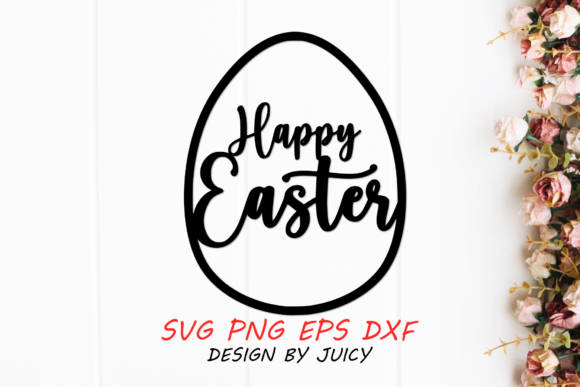
The first impression of this design is one of playful simplicity. In the world of Crafts and seasonal decor, Easter motifs can often feel cluttered or overly juvenile. However, this particular SVG strikes a balance between whimsical and clean. The layout features a classic egg shape paired with cheerful typography, creating a visual personality that feels welcoming rather than chaotic. For an embroidery project, this is crucial. Clean lines translate better to thread than complex, noisy illustrations do. When I visualize this stitched out, I see potential for a crisp, professional finish that appeals to a broad demographic, from young parents looking for baby embroidery ideas to boutique owners curating spring collections.
From Screen to Stitch: Real-World Application
Let’s move beyond the digital preview and talk about how this design performs in a tangible setting. I recently worked on a custom order for a local boutique that needed a line of personalized gift items for the spring season. The client wanted something versatile that could work on various textiles without requiring extensive re-digitizing. This is where the Easter Egg Happy Easter Svg for Cricut shines as a foundational design asset.
Imagine applying this to a canvas tote bag design. The bold shapes of the egg provide a solid anchor for the eye, while the "Happy Easter" text offers the necessary seasonal context. Because the design relies on strong silhouettes, it reads well even from a distance. If you were to use this for sweatshirt embroidery, the design’s openness allows the fabric texture to breathe. Heavy cotton blends, common in high-quality hoodies, can swallow up dense stitching. A design with adequate spacing prevents that stiff, cardboard-like feel that ruins the drape of a garment.
For Etsy sellers and small shop product creators, versatility is key. This graphic transitions smoothly from apparel to home decor. Picture it stitched onto a linen tea towel or a nursery pillow cover. The theme is specific enough to be festive but neutral enough in style to fit modern farmhouse or minimalist aesthetics. It does not scream "discount store"; instead, it suggests a thoughtful, handmade product created with care. This perception of quality is what drives customer trust and allows for higher price points in your craft business.
Navigating Technical Challenges
While the aesthetic appeal is strong, we must address the technical realities of turning a vector SVG into a stitched reality. An SVG is inherently a cut file, meaning it defines edges, not stitch types. To use this effectively in embroidery, you must understand how to interpret these lines into satin stitch, fill stitch, or running stitch paths.
One area requiring careful attention is the typography. Depending on the font weight in the original SVG, small lettering can become illegible when stitched. Thread has thickness; it does not behave like ink. If you are planning to scale this down for a pocket logo on a custom apparel piece or an embroidered patch, you must test the legibility. I recommend enlarging the text slightly or choosing a heavier thread weight to ensure clarity. Always check the stitch density in your digitizing software. Too much density on a small area can cause puckering, especially on lighter fabrics.
Fabric choice also plays a pivotal role. This design would look stunning on a structured cap, but curved surfaces present unique challenges. The center of the egg might distort if the hoop tension is not perfectly balanced. Similarly, if you are working with stretchy fabrics for athletic wear or baby clothes, the stability of the design depends heavily on your choice of stabilizer. A cut-away stabilizer is often safer for garments that will undergo frequent washing, ensuring the finished product maintains its shape over time.
Dark fabrics present another consideration. If you are stitching this onto navy or black material, you need high-contrast thread colors. Pastels might get lost. Conversely, on white or cream linen, subtle tonal variations can create a sophisticated, understated look. I always advise running a test stitch-out on scrap fabric of the same type and color before committing to the final piece. This simple step saves hours of frustration and protects your materials.
Commercial Viability and Brand Consistency
For those using this in a commercial context, such as creating holiday embroidery collections or commercial embroidery runs, consistency is vital. The Easter Egg Happy Easter Svg for Cricut offers a consistent visual language that can be paired with other spring-themed elements. Whether you are creating a printable mockup for your online store or photographing the actual item, the clean lines make for excellent presentation.
However, a note on licensing is essential. Since this is primarily marketed as an SVG for cutting machines, you must verify the license terms regarding commercial embroidery use. Some creators allow unlimited physical sales but restrict digital redistribution. Ensure you are compliant before listing items on your platform. Assuming the license permits, this design can be a valuable addition to your library of Graphics for seasonal campaigns.
Practical Designer Notes for Best Results
To get the most out of this design, keep these practical tips in mind:
- Test on Scrap Fabric: Always run a test stitch to check tension and registration.
- Check Thread Contrast: Ensure your thread colors stand out against the fabric background.
- Review Stitch Density: Adjust density based on fabric weight to prevent puckering.
- Confirm Hoop Size: Make sure the scaled design fits comfortably within your hoop with margin for clamping.
- Inspect Small Details: Zoom in on the lettering to ensure it remains legible at your chosen size.
- Use Proper Stabilizer: Match the stabilizer type to the fabric stretch and weight.
- Verify Licensing: Confirm commercial rights before selling finished items.
In conclusion, the Easter Egg Happy Easter Svg for Cricut is more than just a digital cut file. With thoughtful digitizing and attention to material choices, it becomes a versatile tool for creating high-quality, festive products. It bridges the gap between digital convenience and tactile craftsmanship, offering a reliable foundation for your next embroidery project. Whether you are a hobbyist making gifts for family or a professional decorator fulfilling bulk orders, this design deserves a spot in your spring toolkit.