Reviewing the Autism Awareness SVG for Real Embroidery Projects
As a designer who spends more time staring at stitch simulations than actual sunlight, I approach every new digital embroidery file with a healthy dose of skepticism. We have all been there: you buy a cute graphic, load it into your software, and realize halfway through digitizing that the lines are too close together or the shapes don't translate well to thread. That is why I took a close look at the Utism Awareness Svg ,Autism Svg collection before committing it to a client project. This isn't just about downloading a file; it is about determining if these graphics can stand up to the rigors of a real embroidery project and deliver a professional finished product.
First Impressions: Mood and Visual Personality
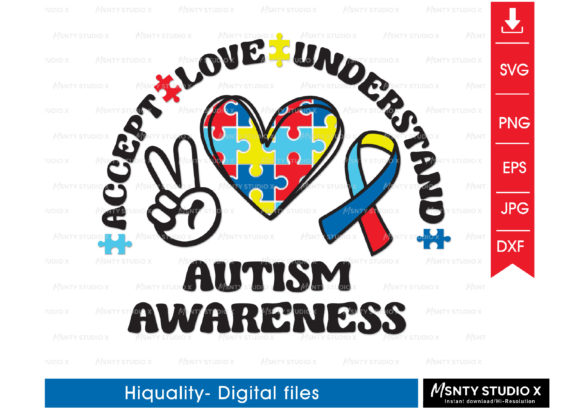
When I first opened the files, the immediate feeling was one of warmth and inclusivity. The core themes revolving around "Accept Love Understand" and the classic puzzle pieces create a mood that is gentle yet assertive. For an Etsy seller or a craft business owner, mood is everything. You aren't just selling a shirt; you are selling a message. The visual personality of these graphics leans towards clean, bold shapes, which is exactly what you want when moving from screen to needle.
The layout typically features strong silhouettes, often incorporating hearts or puzzle motifs. In the world of Crafts and Graphics, simplicity often wins. Complex gradients look great on a monitor but can turn into a muddy mess under a satin stitch or dense fill stitch. These designs appear to have the kind of clarity that suggests they will stitch out cleanly, provided the digitizer respects the original vector paths. The balance between text and iconography seems well-considered, avoiding the clutter that plagues so many awareness-themed designs.
Real-World Application: The Tote Bag Test
To truly evaluate the Utism Awareness Svg ,Autism Svg, I imagined a specific real-life scenario: a custom order for a local support group needing thirty tote bag design units for an upcoming walk. This is a high-stakes environment. The bags need to look professional, withstand washing, and be readable from a distance.
Using these graphics on a canvas tote is an ideal use case. Canvas provides a stable base for the stitch density required to make the colors pop. If I were to apply this as an applique design, perhaps using felt puzzle pieces on a twill bag, the bold outlines would hide the raw edges perfectly. Alternatively, treating it as a standard fill design on a sweatshirt embroidery project for a parent or sibling would work beautifully. The thick lines of the puzzle pieces allow for substantial thread coverage, ensuring the design doesn't get lost in the fabric texture.
For a small shop product line, versatility is key. These graphics could easily transition from a baby embroidery project on a onesie—using softer pastels and lighter density—to a bold statement on an adult hoodie. The "Peace Love Understand" variation, in particular, feels right at home on casual wear, appealing to a demographic that values comfort and message equally.
Navigating Technical Challenges
However, enthusiasm must be tempered with technical reality. Not every surface is friendly to every design. When working with the Utism Awareness Svg ,Autism Svg, there are specific areas where caution is warranted. If you are planning to embroider on a curved surface like a cap, the horizontal width of some puzzle piece layouts might cause registration issues near the seams. You would need to ensure your hoop size accommodates the design without forcing the fabric too much, which can lead to puckering.
Textured fabrics present another hurdle. While a towel or a waffle-knit blanket adds a nice tactile element to a handmade product, the loops of the fabric can swallow fine details. If the design includes thin running stitch outlines or tiny lettering within the "Accept Love Understand" phrase, these might disappear on high-pile fabrics. In such cases, adding a water-soluble topper is non-negotiable. Similarly, on stretchy fabrics like jersey knits used for custom apparel, the stability of the design depends heavily on your choice of stabilizer. A cut-away stabilizer is usually safer for awareness designs that need to last the lifetime of the garment.
Dark fabrics require special attention to thread colors. The vibrancy of the autism awareness palette—often blues, reds, and yellows—needs to contrast sharply against navy or black backgrounds. If the original graphic relies on subtle shading, you may need to adjust the color stops in your embroidery software to ensure the image doesn't look flat or dark.
Enhancing Brand Value and Customer Trust
Ultimately, the success of using these assets comes down to perception. A crisp, well-executed embroidery job builds customer trust. When a buyer sees a neatly stitched puzzle piece with no thread breaks or bird nests, they perceive higher value. This directly impacts your brand consistency. If you are an Etsy seller specializing in neurodiversity-aware goods, the quality of your stitch work validates your mission. Sloppy execution can undermine the message of care and understanding that the design intends to convey.
Furthermore, these graphics serve as excellent design assets for creating printable mockups. Before you even thread the machine, you can place these SVGs on digital templates to show clients how a personalized gift or holiday embroidery item will look. This visual confirmation helps close sales and manages expectations regarding size and placement.
Practical Notes for the Professional Maker
Before you commit to a production run, here is my practical advice for working with this specific set of graphics:
- Test on Scrap First: Always stitch a sample on the exact fabric you intend to use. What looks good on cotton muslin might behave differently on a polyester blend.
- Check Licensing: Since this is a digital download intended for instant use, verify the license terms. Can you sell the finished product? Can you use it for commercial embroidery services? Never assume; always read the creator's terms.
- Inspect Small Details: Zoom in on the vector file. Are the nodes clean? Do the puzzle piece corners look sharp or rounded? Sharp corners often require tie-offs or specific stitching techniques to prevent fraying.
- Contrast is King: Test your thread chart against the fabric. Sometimes a slight shift in shade makes the difference between a design that pops and one that fades.
- Hoop Strategy: Ensure your hoop is tight enough to prevent shifting but not so tight that it distorts the fabric grain, especially for larger designs.
In conclusion, the Utism Awareness Svg ,Autism Svg collection offers a solid foundation for meaningful embroidery file projects. With its clear themes and adaptable shapes, it fits naturally into the workflows of makers who prioritize both aesthetics and message. Whether you are creating a single embroidered patch for a friend or a full line of boutique branding merchandise, these graphics have the potential to perform well, provided you respect the technical limitations of your materials and machine. Treat the design with the care it deserves, and it will reward you with a finished product that speaks volumes.