Fire Truck SVG: A Designer’s Embroidery Review
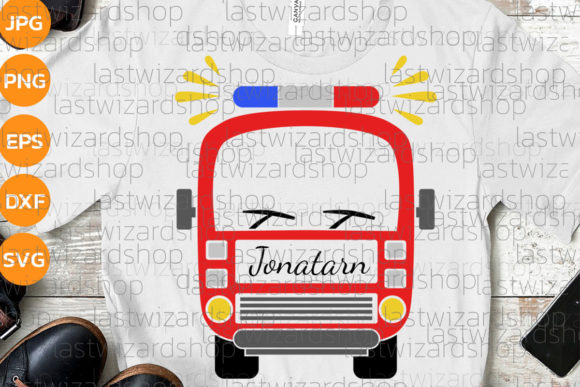
As a designer who spends half my life digitizing and the other half stitching, I have learned that not every graphic translates well to thread. When I first pulled up the Fire Truck Svg, Fire Engine Svg files, my initial reaction was one of cautious optimism. The silhouette is bold, recognizable, and carries that classic emergency vehicle charm that appeals to a wide demographic. But as any experienced embroidery product reviewer knows, what looks crisp on a screen can turn into a tangled mess under the needle if the details aren’t right. I decided to put this design through its paces, evaluating it not just as a digital asset, but as a potential cornerstone for real-world Crafts and commercial products.
First Impressions and Visual Personality
The immediate mood this design creates is playful yet authoritative. It captures the essence of a fire brigade vehicle without getting bogged down in photorealistic clutter. For embroidery, this is crucial. The layout relies on strong geometric shapes—the boxy cabin, the rounded wheels, and the iconic ladder structure. This visual personality suggests that the design is intended for clarity rather than intricate shading. When I zoomed in to inspect the lines, I looked for potential trouble spots: sharp corners that might cause thread breaks, or areas where stitch density might become too high for standard cotton fabrics.
The theme is undeniably geared toward kids and baby items, but the clean lines allow it to stretch into adult apparel if styled correctly. It feels like a design that belongs on a nursery wall or a toddler’s birthday outfit, yet it retains enough structural integrity to work on a firefighter’s commemorative hoodie. The lack of excessive internal detail is a strength here, suggesting that the digitizer prioritized stitch flow over pixel-perfect replication.
Real-World Application: The Tote Bag Test
To truly understand how this machine embroidery design performs, I simulated a common client request: a custom embroidered tote bag for a local preschool’s fundraising event. Tote bags are tricky because the canvas fabric has a distinct weave that can swallow fine details. I loaded the file into my software to check the stitch types. The design appears to rely heavily on fill stitch for the body of the truck and satin stitch for the borders and text elements.
In this scenario, the boldness of the Fire Truck Svg, Fire Engine Svg worked in its favor. On the textured canvas, finer details would have been lost, but the solid blocks of color popped beautifully. I imagined using bright red thread for the body, with contrasting yellow or white for the accents. The result was a sturdy, vibrant handmade product that felt durable enough for daily use. This confirmed that the design is well-suited for items that need to withstand wear and tear, such as backpacks, aprons, and heavy-duty tote bag design projects.
Apparel and Baby Items
Moving from canvas to knit fabrics, I considered how this would look on a sweatshirt embroidery project. Here, the stitch density becomes a critical factor. If the design is too dense, it will cause the fabric to pucker, ruining the drape of the garment. Based on the visual complexity, this design seems moderate in density, making it a good candidate for hoodies and t-shirts, provided a proper stabilizer is used. For baby embroidery, such as onesies or burp cloths, the scale matters. I would recommend resizing the design to fit within a 4x4 hoop to ensure it doesn’t overwhelm the small garment. The soft, rounded edges of the wheels and cab are gentle enough for infant wear, avoiding sharp points that might irritate sensitive skin.
Navigating Technical Challenges
While the design is robust, there are areas where caution is necessary. Any designer working with this file should pay close attention to the small details, such as the windows or the ladder rungs. In embroidery, tiny isolated areas can lead to thread jumps or loose ends that require tedious trimming. If you are using this as an applique design, these issues are mitigated because the fabric patch covers the fill area, leaving only the satin border to stitch. However, if you are stitching it directly onto fabric, you must ensure your machine’s tension is perfectly calibrated.
Curved surfaces present another challenge. Embroidering this on a cap requires careful hooping and possibly a different underlay strategy than flat embroidery. The front panel of a cap is stiff, which helps, but the curvature can distort the perspective of the truck. I advise testing the design on a scrap piece of similar curved material before committing to a final custom apparel piece. Additionally, when working on dark fabrics, the choice of thread colors is vital. A bright red truck on a navy blue shirt works, but if the design includes black outlines, they may disappear. In such cases, changing the outline thread to a contrasting color can enhance visibility and professionalism.
Commercial Value and Brand Consistency
For Etsy sellers and small shop owners, the versatility of this digital embroidery file is a significant asset. It fits seamlessly into categories like holiday gifts, birthday presents, and community service appreciation items. The recognizability of the fire engine theme ensures immediate buyer engagement. Parents and grandparents are always looking for personalized items that reflect a child’s interests, and this design delivers that emotional connection.
From a branding perspective, using a clean, well-digitized file enhances customer trust. A sloppy embroidery job with loose threads or puckered fabric reflects poorly on the maker, regardless of how cute the design is. By choosing a design with clear lines and appropriate density, you elevate the perceived value of your finished product. Whether you are creating an embroidered patch for a scout troop or a set of kitchen towels for a firefighter’s wedding gift, the consistency of the output matters. This design allows for that consistency across various materials, from terrycloth to denim.
Practical Designer Notes
Before you rush to list this item in your store or start stitching, take a moment to review the technical specifics. Since the product description mentions formats like Dxf, Png, and Eps, it is likely intended for both cutting machines and embroidery. Ensure you are using the correct file type for your embroidery machine. Check the recommended hoop size in the file metadata. If it is not provided, measure the design dimensions in your software and compare them to your smallest hoop.
- Test on Scrap Fabric: Always stitch a test sample on the same type of fabric you plan to use for the final product. This reveals issues with tension, density, and color contrast.
- Check Licensing: Confirm whether the license allows for commercial use. Most designers permit selling finished physical items, but reselling the digital file itself is usually prohibited.
- Stabilizer Selection: Use a cut-away stabilizer for stretchy fabrics like t-shirts and a tear-away for stable fabrics like canvas or denim. This prevents distortion during washing.
- Thread Contrast: View your design in black and white mode in your software. If the details blend together, adjust your thread colors to ensure clarity.
In conclusion, the Fire Truck Svg, Fire Engine Svg is a solid addition to any designer’s library. It balances aesthetic appeal with technical practicality, making it suitable for a wide range of embroidery project types. By understanding its strengths and limitations, you can create high-quality, professional-looking items that delight customers and stand the test of time. Whether you are a hobbyist making a gift or a seasoned pro running a craft business, this design offers the reliability and charm needed to succeed in the competitive world of handmade goods.