Cat SVG Design: A House Is Not a Home Review
As someone who spends hours digitizing, stitching, and critiquing designs for both my own boutique and client projects, I approach every new embroidery file with a mix of curiosity and skepticism. We all know the market is flooded with generic graphics, but occasionally, a design comes along that strikes the right balance between sentimentality and structural integrity. Today, I am evaluating the Cat SVG Design, a House is Not a Home. This isn't just a quick look at the preview image; this is a breakdown of how this graphic translates from a digital asset into a tangible, stitched reality on various substrates.
First Impressions and Visual Personality
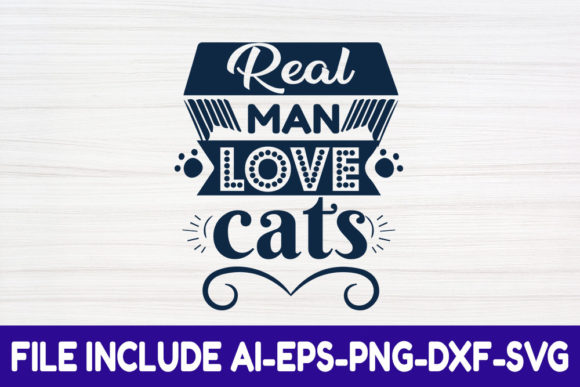
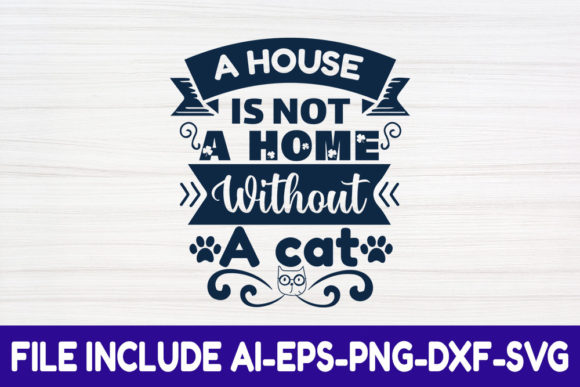
When I first opened the zip file containing the SVG, PNG, EPS, and DXF formats, my immediate focus was on the line weight and spacing. The phrase "A house is not a home without a cat" carries a specific emotional weight—it appeals to pet lovers, homeowners, and anyone who views their living space as a sanctuary. Visually, the design leans towards a clean, modern aesthetic rather than an overly ornate vintage style. This simplicity is crucial for embroidery.
In the world of Graphics and Crafts, less is often more when it comes to stitchability. The layout appears balanced, with the typography likely serving as the anchor while the feline silhouette provides the visual hook. For a professional designer, the mood here is warm and inviting. It feels appropriate for a wide range of applications, from a cozy nursery to a chic coffee shop apron. The lack of excessive detail suggests that this design was intended to be versatile, which is a strong starting point for a commercial embroidery project.
Real-World Application Scenarios
To truly test the viability of this design, I mentally placed it onto several common products I manufacture for my small shop. Imagine a custom tote bag design for a local animal shelter fundraiser. The sentiment fits perfectly, and the clean lines would stand out well against canvas. Alternatively, picture this as sweatshirt embroidery on a heather grey crewneck. The text-heavy nature of the design means it needs enough real estate to be legible, making a chest placement or a large back print ideal.
I also considered its potential as a personalized gift. A kitchen towel featuring this motif makes for an excellent housewarming present. Because the theme is universal among cat owners, it reduces the risk of the gift missing the mark. For Etsy sellers and creative entrepreneurs, this design offers a low-risk entry into the "pet lover" niche. Whether you are creating a baby embroidery piece for a onesie (scaled down appropriately) or a decorative pillow cover for a living room, the emotional resonance of the message adds value to the finished product.
Navigating Fabric Textures and Hoop Constraints
However, enthusiasm must be tempered with technical reality. While the digital embroidery file looks crisp on the screen, the translation to fabric depends heavily on your execution. If you are planning to stitch this onto a textured fabric like a waffle knit or a thick terry cloth towel, you must be cautious. Small details in the cat's silhouette or tight kerning in the lettering could get lost in the fabric's pile. In these cases, using a cut-away stabilizer is non-negotiable to prevent distortion.
Another critical factor is the hoop size. Although the specific dimensions aren't listed in the product description, text-based designs generally require a larger hoop to maintain readability. Attempting to shrink this design to fit a 4x4 hoop for a cap or a small pocket might result in the letters merging together, especially if your machine struggles with high stitch density. For curved surfaces like baseball caps, the straight baseline of the text could pose a challenge unless the design is specifically digitized with a curve in mind. If it is a straight layout, I would advise against using it on structured hats unless you have advanced framing techniques.
Stitching Clarity and Thread Selection
The success of this machine embroidery design will largely depend on your choice of thread colors. Since the design relies on the contrast between the text and the background, high-contrast pairings are essential. A dark thread on a light fabric is the safest bet for clarity. If you attempt a tone-on-tone look—say, grey thread on a charcoal sweatshirt—you risk losing the definition of the "house" and "home" message, rendering the effort invisible from a distance.
Regarding stitch types, if you are converting these vector files yourself or working with a pre-digitized version, pay attention to the transition between satin stitch and fill stitch. Text usually benefits from satin columns for sharpness, while the cat graphic might utilize a fill stitch for solidity. Ensure that the underlay is sufficient; poor underlay can cause the edges of the letters to fray or the fill areas to look puckered after washing. For items that will see frequent use, such as custom apparel or aprons, durability is key to maintaining customer trust and brand consistency.
Commercial Viability and Branding
For those running a craft business, the commercial potential of this design is solid. It fits seamlessly into seasonal collections, particularly around holidays where home and family are central themes. It works well for holiday embroidery gifts or even wedding presents for couples who are known cat lovers. The versatility allows it to serve as a standalone design asset or part of a larger collection of pet-themed merchandise.
However, before listing this as a small shop product, you must verify the licensing terms included in the download. The product description mentions the file formats but does not explicitly state the commercial license limits. Always confirm whether you are allowed to sell unlimited physical items or if there are restrictions on digital redistribution. Protecting your business legally is just as important as the quality of your stitching.
Final Verdict and Designer Notes
In conclusion, the Cat SVG Design, a House is Not a Home is a promising addition to any designer's library, provided it is handled with technical care. Its strength lies in its relatable message and clean composition, which translates well to handmade products intended for sale or gifting. To ensure the best results, I recommend the following steps before committing to a production run:
- Test on scrap fabric: Always stitch a sample on the exact material you intend to use for the final product to check for registration issues.
- Check contrast: View your mockups in black and white to ensure the design holds up without color reliance.
- Review density: If digitizing yourself, keep stitch counts reasonable to avoid stiffness, especially on wearable items.
- Inspect small details: Zoom in on the vector file to ensure no nodes are overlapping or paths are open, which can cause machine errors.
- Confirm sizing: Measure the design against your intended hoop to guarantee the text remains legible.
By treating this graphic not just as a pretty picture but as a functional component of a larger manufacturing process, you can elevate a simple SVG into a high-value item that resonates with customers. Whether you are an experienced decorator or a hobbyist looking to upgrade your printable mockup portfolio, this design offers a reliable foundation for creating meaningful, professional-grade embroidery.